Stick to a cleaning schedule.
A structured cleaning schedule helps you keep everything in order. Daily, weekly, and monthly cleaning tasks must be set to ensure no area is overlooked. Routine cleaning stops dirt from building up and maintains a sanitary environment. The staff will also not be overwhelmed when there is a schedule to follow.
Focus on high-traffic areas.
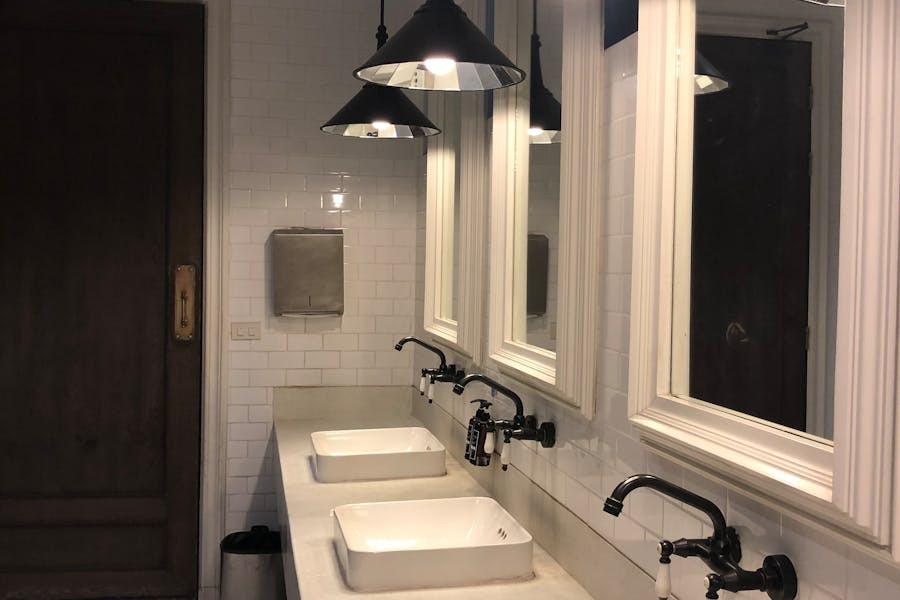
Certain areas in supermarkets get more foot traffic than others. Some of these areas include entrances, restrooms, and checkout lanes. They need frequent cleaning throughout the day to remove dirt and germs. Doing so will help prevent the spread of germs, bacteria, and viruses which can easily be passed from one shopper to another.
Choose safe and effective cleaning products.
Be mindful of the cleaning products that the cleaners use. Use disinfectants that are strong enough to kill bacteria. At the same time, they should be safe for surfaces that come into contact with food.
Train staff on supermarket cleaning procedures.
While they may not be tasked with cleaning, store employees should know the best methods for cleaning different sections of the store. They should know the proper handling of goods to ensure their safety and to keep them in their best condition. Proper training helps prevent cross-contamination and ensures that cleaning chemicals are handled properly.
Sanitize shopping carts and baskets regularly.
Shoppers use carts and baskets every day, making them one of the most frequently touched surfaces in the store. Disinfecting them multiple times a day reduces the spread of germs and helps protect public health.
Keep floors clean and dry.
Wet or dirty floors are always a slipping hazard. Regular sweeping and mopping, along with the use of caution signs in wet areas, help prevent accidents. Non-slip mats placed at entrances reduce the amount of dirt and moisture brought inside.
Empty trash bins frequently.
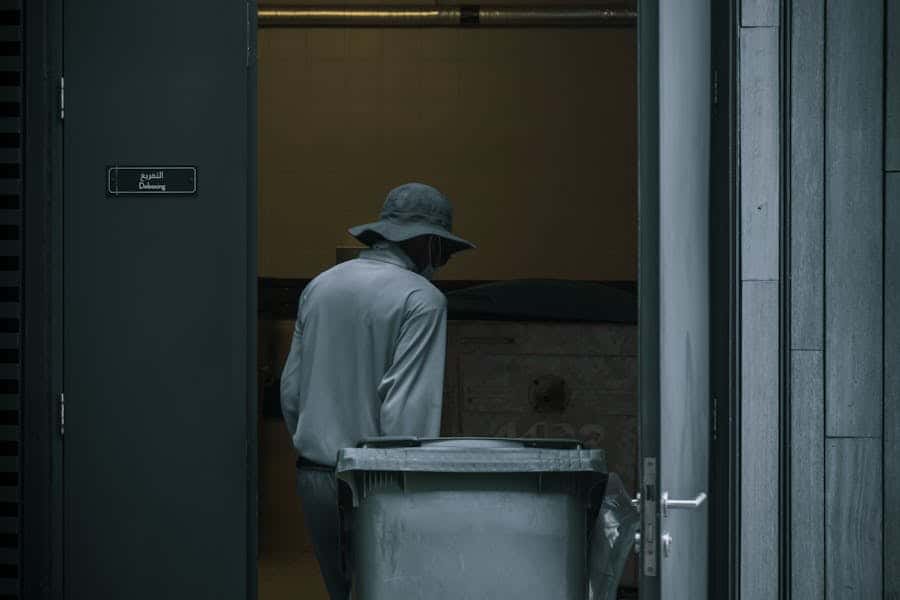
Full trash bins look bad, attract pests, and create odors. Remove trash on a daily basis. Do not forget the store’s outdoor dumpsters. Always close and clean them to prevent pest infestations.
Inspect refrigeration units daily.
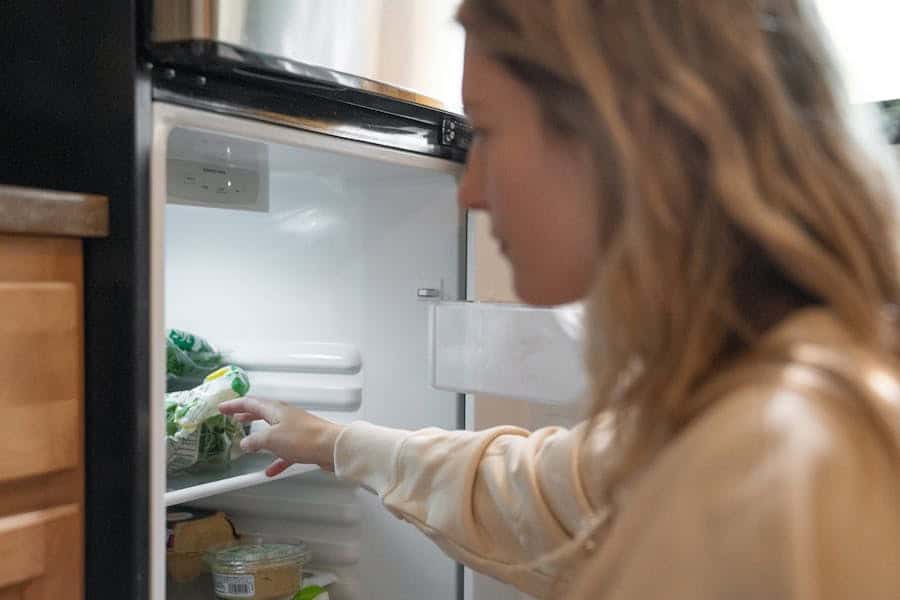
Regularly check your refrigerators and freezers to ensure that they are functioning properly and are clear of spills or spoiled food. Check for expired or damaged products and remove them to prevent unpleasant smells and contamination. Having them on your refrigerator shelves will also harm your store’s reputation.
Keep storage areas neat and organized.
Well-organized storage spaces make finding necessary supplies easier, boosting efficiency and reducing the risk of accidents.
Schedule deep cleaning sessions.
Surface cleaning is important, but deep cleaning should also be your priority. Clean hard-to-reach areas such as under shelves, behind refrigerators, and air vents thoroughly at least once a month.