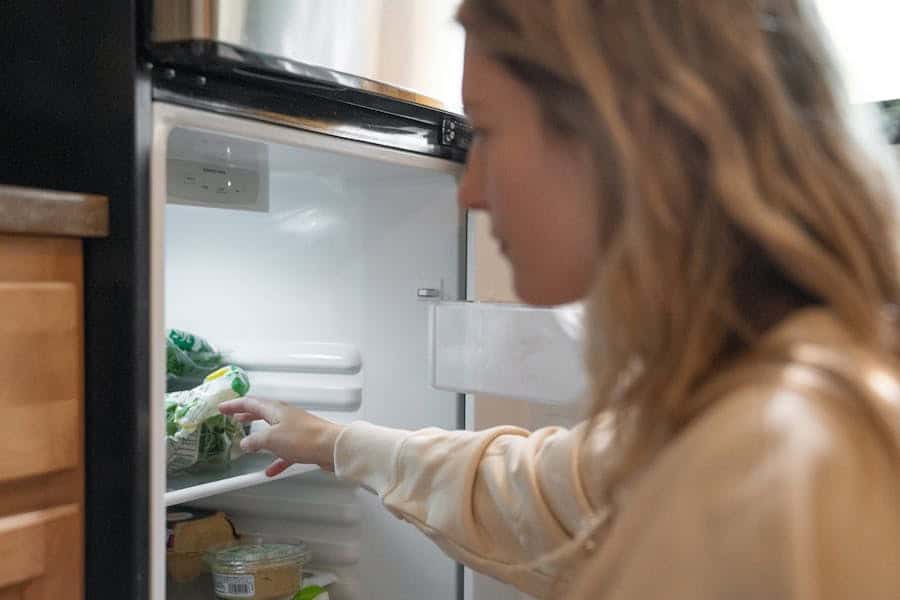

Maintaining a clean, efficient refrigerator in your office or business establishment has several advantages. Compared to residential refrigerators, commercial refrigerators, such as those in a corporate breakroom or a restaurant kitchen, require a higher level of rigor and technique.
To provide high-quality commercial cleaning services in California, we at Prestige Property Services emphasize food safety, energy efficiency, and compliance with health regulations. Here are some things you should and should not do when cleaning commercial refrigerators.
Here are some pointers on what to do when cleaning your refrigerator at the office or store.
Do your cleaning strategically to ensure food safety and continue on with your daily operations. Schedule the cleaning during low-traffic hours, such as late at night or early morning, so there are no disruptions from employees who need to take things out of the fridge.
In office pantries, it is a good practice to prepare well in advance. Inform the employees of the upcoming refrigerator cleaning so they can remove their containers.
The very reason you want to do refrigerator cleaning is to prevent contamination. Do this using food-grade sanitizers approved by the US Environmental Protection Agency (EPA). Standard industrial cleaners may contain dyes, toxic residues, or fragrances that food items or food-contact surfaces can readily absorb.
In California, you also need to comply with health codes and regulations. Health inspectors usually look for the EPA registration number on cleaning agents to ensure they meet federal safety standards. Using unapproved chemicals can lead to violations, heavy fines, or even a forced closure.
To ensure comprehensive deep sanitization of your refrigerator, detach all components, including drawers, shelves, and racks. By removing these parts, you provide easy access to the refrigerator’s interior walls and corners. Consequently, this prevents mold and odor buildup and protects the integrity of the shelves from corrosion.
The California Retail Food Code requires that all food-contact and non-food-contact surfaces be kept clean. Neglecting hidden areas, such as door gaskets, drain lines, and evaporator pans, is a common cause for health department deductions. Doing this also supports equipment longevity and air quality.
Two things: operational accountability and regulatory protection. When you have a recording, you have a paper trail that proves you are maintaining a safe environment for your customers and employees. You can protect yourself during a health audit or foodborne illness investigation by properly documenting your actions.
When cleaning the refrigerator, note any signs of wear and tear. Cracked or brittle seals may allow cold air to escape, forcing the compressor to work harder. On the other hand, unusual vibrations or noises can be early signs of a failing evaporator fan or a struggling compressor. If you notice any of these, have your refrigerator checked by a repair specialist before it leads to food spoilage.
Remember to avoid doing these things when cleaning your fridge.
When cleaning the ref, it’s normal to open and close it several times. However, it’s important not to leave the door open for extended periods. Doing so could lead to mechanical strain and efficiency loss.
For example, it could force the compressor to run continuously at maximum capacity. It can also cause warm air to enter the system, which instantly freezes when it hits the cold evaporator coils. This ice buildup can block airflow, forcing your company to perform manual defrosting.
Steel wool, bleach, and abrasive scrubbers all strip the protective coating from your stainless steel refrigerator, leading to surface rust. Once the interior is rusted or pitted, it is no longer considered a “smooth, easily cleanable surface” as defined by the CA Retail Food Code. To extend your refrigerator’s life, use soft-cleaning tools and pH-neutral cleaners.
The primary function of these coils is to dissipate heat from the interior of the unit into the outside air. In a busy commercial environment, these coils act like a magnet for dust, grease, and airborne debris. Dust buildup forces the motor to work harder, increasing energy bills and the risk of mechanical failure. Don’t forget to vacuum the coils during every deep clean. This ensures your perishable items (especially your inventory) remain at a stable, food-safe temperature.
Water leaks are often early warning signs of a clogged drain line or a failing defrost cycle. They require immediate repair before they cause further problems, such as becoming a slip-and-fall hazard or a broken ref beyond repair.
For commercial establishments in California, professional refrigerator cleaning is critical for public health, operational efficiency, and asset protection. Beyond aesthetics, a sanitized unit prevents the growth of hazardous pathogens and ensures your compliance with strict state health codes.
Moreover, regular maintenance, such as vacuuming condenser coils and clearing drain lines, prevents mechanical strain that leads to catastrophic compressor failure and astronomical energy bills. By removing embedded grime and sanitizing “hidden” zones, you eliminate cross-contamination risks and foul odors that can ruin expensive inventory.
Don’t leave your food safety and equipment longevity to chance. Whether you manage a corporate breakroom or a high-volume kitchen, our expert team provides the deep-sanitization your business requires. Contact Prestige Property Services today to schedule a professional cleaning and ensure your refrigeration systems are running at peak performance.
"*" indicates required fields